Personal Story of the Month |
|
|
|
|
|
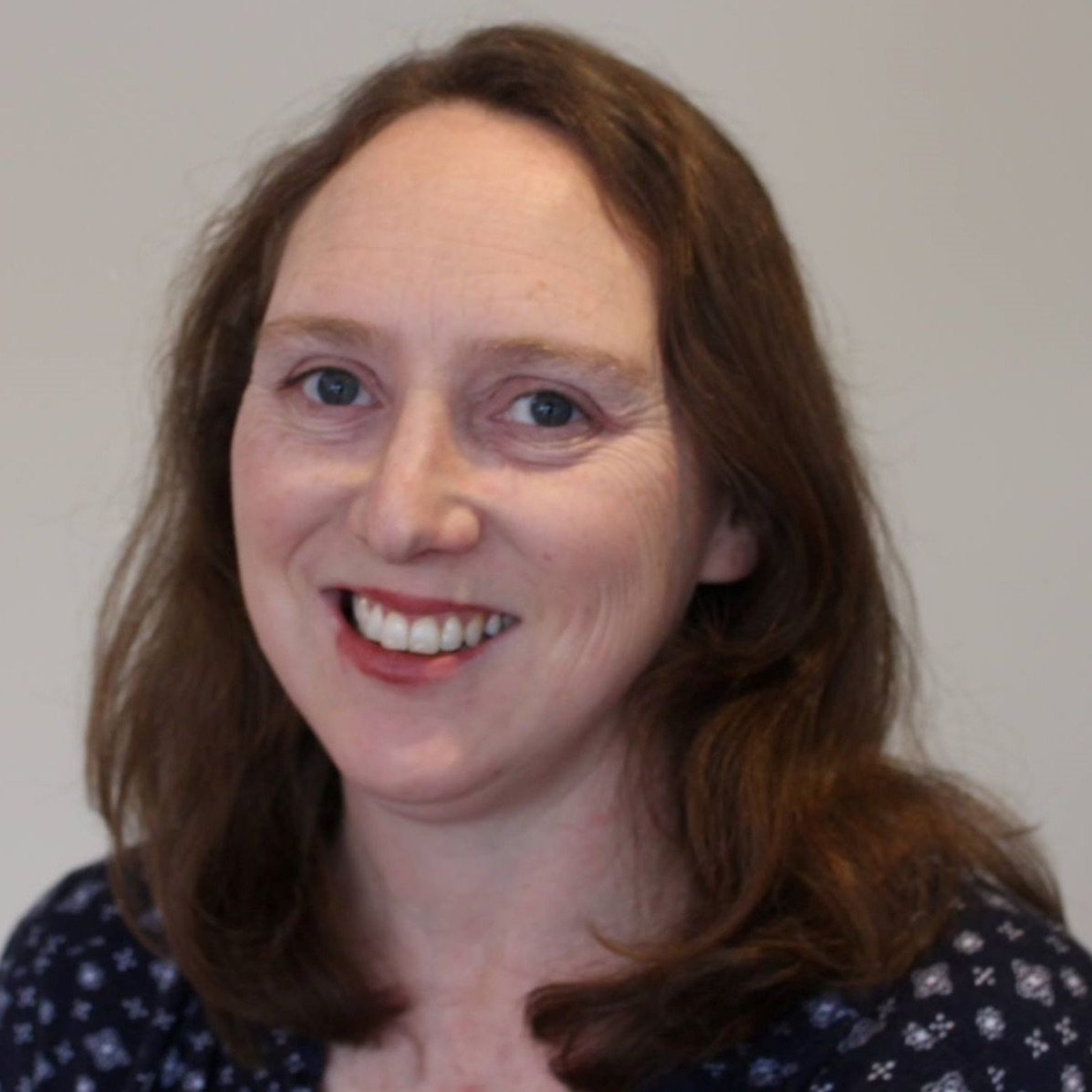
Liam's story highlights the importance of genetic testing in rare disease. Liam's mum shares more about the journey to diagnosis and how important connecting with other people in the rare disease community has been. |
| Read Liam's story |
|
|
|
|
Launched: Rare Disease Disability Management Plan |
|
|
|
RVA is excited to launch another resource for the nationally codesigned Rare Disease Disability Toolkit (the Toolkit). The Rare Disease Disability Management Plan (the Plan) includes:
-
A guide to help you develop your own Plan.
-
A fillable form that has important disability, medical, daily living, and support information in one place.
Download both resources at RVA's website.
The Toolkit was codesigned with people living with rare disease disability and facilitated by RVA. It was funded by the Australian Government through the Peer Support and Capacity Building grant for the NDIS as part of the Rare Disease Disability Project, which continues until December 2026. |
|
|
|
|
Update: Banning Genetic Discrimination in Life Insurance |
|
|
|
|
|
|
Rare Disease Disability Advocacy Update: September 2026 |
|
|
|
Throughout September, RVA's rare disease disability advocacy focused on ensuring that emerging disability reforms appropriately recognise the complexity, variability and cumulative impacts experienced by people living with rare disease disability. This work included engagement with the National Disability Insurance Agency, the Department of Health, Disability and Ageing, the Disability Representative and Carer Organisation (DRCO) Forum, the National Disability Insurance Scheme Quality and Safeguards Commission, and consultation on new Aviation Disability Standards. Read the full update on RVA's website. |
|
|
|
|
Update: Australian Rare Disease Research Network Meeting – September 2026 |
|
|
|
The third Australian Rare Disease Research Network (ARDRN) virtual meeting for 2026 was held in September. The ARDRN brings together Australian rare disease researchers from a range of jurisdictions, disciplines and career stages, including members with expertise in research policy, health economics and research translation.
RVA thanks the 40 ARDRN members who joined the meeting. We thank our speakers Prof Jodie Ingles, Jonathan Nguyen, Lucas Mitchell, Prof Zornitza Stark and Clin/Prof Gareth Baynam for sharing their expertise. RVA also thanks ARDRN co-chairs Associate Prof (Elizabeth) Emma Palmer and Clin/Prof Gareth Baynam for co-chairing the meeting. Read the brief meeting summary at RVA’s website. |
|
|
|
|
Published: 'Evaluation of the Medical Research Future Fund Research Missions Theme' |
|
|
|
RVA was invited to participate in a targeted consultation led by the Medical Research Future Fund (MRFF) Evaluations Team to support its assessment of the progress and impact of the Research Missions Program. We also provided a written submission to the consultation informed by input from the broader rare disease sector, including members of RVA’s Scientific and Medical Advisory Committee (SMAC) and the Australian Rare Disease Research Network (ARDRN).
The findings from this evaluation have now been published on the Department of Health, Disability and Ageing’s website. They will be used to inform future funding and grant arrangements for the Research Missions theme and the MRFF more broadly.
RVA welcomes the opportunities for improvement identified through the evaluation. Of particular importance is the report’s recognition of a major barrier to research translation that RVA has consistently highlighted: the systemic disconnect between research activity, health system priorities and policy needs, and the resulting gap between research outcomes and their translation into health policy and practice. RVA was also pleased to see recognition that research embedded within health systems is more likely to generate sustainable and scalable outcomes. Read more at RVA's website, including what the report says about rare disease research within the Research Missions Program. |
|
|
|
|
Published: 'National Health Genomics Policy Framework and Implementation Plan 2026-2030' |
|
|
|
In August, the Health Ministers Meeting endorsed the National Health Genomics Policy Framework and Implementation Plan 2026-2030 (National Framework). Download the National Framework at the Department of Health, Disability and Ageing’s website.
The National Framework sets a shared direction for integrating genomics into Australia’s health system and was jointly developed by the Australian Government and state and territory governments, with input from the Aboriginal and Torres Strait Islander Advisory Group on Health Genomics, consumers, communities, clinicians, researchers and industry.
The National Framework places people, families and communities at the centre of genomic care and is designed to guide national action to improve the prevention, diagnosis and treatment of disease. It promotes culturally safe, inclusive and equitable care, recognises the rights, priorities and leadership of Aboriginal and Torres Strait Islander people, and supports the responsible use of genomic information. |
|
|
|
|
Survey: Help Us Improve the RARE Portal |
|
|
|
RVA utilises several approaches to inform improvements to the Rare Awareness Rare Education (RARE) Portal, including consultations with rare disease organisation representatives and collecting information from other stakeholders through the Contribute page. Additionally, we are seeking your feedback through a short 2-minute survey, which will remain open until Friday, 16 October 2026. Complete the survey. Your feedback helps us to continue improving the RARE Portal. |
|
|
|
|
2026 National Rare Disease Summit and Rare Disease Disability Network Showcase |
|
|
|
The countdown to the Rare Disease Disability Network Showcase (the Showcase) on 19 November and National Rare Disease Summit (the Summit) on 20 and 21 November is on. Both events are being held in Melbourne and are by invitation only to ensure appropriate representation across the sector. Invitations have been distributed. Please check your junk mail if you are expecting an invitation and have not received one. If you don't have an invitation for the Summit and are interested in attending, please complete an expression of interest. Registration for both the Showcase and Summit closes Friday, 16 October 2026. You must register to attend the Showcase and Summit. |
|
|
|
|
National Strategic Action Plan for Rare Diseases
The Australian Government's National Strategic Action Plan for Rare Diseases (the Action Plan) was launched in February 2020 by the Federal Minister for Health with bipartisan support. You can access the Action Plan via the Department of Health, Disability and Ageing's website and a suite of summary materials at RVA's website. |
|
|
|
|
Published: 'A Shared Vision for the Future: Rare and Complex Epilepsies in Australia' |
|
|
|
The sector-wide report, A Shared Vision for the Future: Rare and Complex Epilepsies in Australia, has been published. The report is the output of a full-day Developmental and Epileptic Encephalopathies (DEE) Roundtable on 1 May 2026 that RVA participated in as the national peak body for Australians living with a rare disease. The Roundtable brought together over 50 people from 34 organisations spanning research, clinical care, policy, industry and lived experience. RVA Partner, SCN2A Australia, helped to fund this important work.
The report has been accepted by the Senate Inquiry into Epilepsy in Australia. RVA congratulates everyone involved in this important outcome. We also welcome the intentions to translate the report's shared vision into practical priorities, clear accountabilities and coordinated action. Download the report at SCN2A Australia’s website. |
|
|
|
|
Help Shape the New NDIS Support Needs Assessment |
|
|
|
The National Disability Insurance Scheme (NDIS) is introducing the new Support Needs Assessment. It will help decide a participant’s funding and supports. People with rare disease disability can take part in paid testing. This helps to make sure the assessment:
- Works for complex, multi-system conditions, and
- People with high or changing support needs.
If you take part in the testing, RVA is asking you to let us know. Read more about why and the testing opportunities at RVA’s website. |
|
|
|
|
Free Course: ‘Diagnosing Rare Diseases: From the Clinic to Research and Back’ |
|
|
|
Diagnosing Rare Diseases: From the Clinic to Research and Back is running from 14 September to 30 October 2026. Developed within the European Joint Programme on Rare Diseases (EJP RD), the course was co-created by ERN ITHACA, ERN GENTURIS, EURORDIS, and the Fondation Maladies Rares.
The course is complimentary, 100% online and open to anyone interested in learning more about the diagnosis of rare diseases. The course explores key aspects of rare disease diagnosis, including diagnostic pathways and available genetic testing approaches, differences in patient journeys and access to diagnosis and technological advances in diagnostic research. Learn more about what the course covers and how to join on FutureLearn.
|
|
|
|
|
Consultation Open: Aviation Disability Standards Consultation Paper |
|
|
|
The Australian Government is developing new aviation disability standards. You’re invited to share your views as part of the public consultation. This is your chance to help improve air travel accessibility for people with disability in Australia. Have your say by 11:59pm (AEST), Friday 2 October 2026.
The new standards are being co-designed with people with disability to ensure the aviation sector protects the rights of people with disability. They were a commitment in the government’s Aviation White Paper: Towards 2050, released in August 2024.
Read the public consultation paper and share your views online by making a submission or completing a survey on the aviation disability standards webpage.
You can also write an email or make a video or audio recording to send to AviationAccessibility@infrastructure.gov.au or phone 1800 621 372 (free call) during business hours. |
|
|
|
|
Research Opportunity: Use of Artificial Intelligence (AI) Technologies in Genomic Medicine |
|
|
|
Researchers at the Murdoch Children’s Research Institute are interested in exploring people's perspectives on the use of artificial intelligence (AI) technologies in genomic medicine. Adults who live with, or care for someone with a rare, undiagnosed, or genetic condition are invited to participate. Participation involves an online interview of approximately 45 - 60 minutes. Your participation will help inform how AI tools are used in genomic medicine, ensuring the technology is implemented safely and ethically. See this flyer for more information. If you would like to participate in this study, please provide your details by completing the consent form.
For more information about things to consider before participating in health and medical research, please visit the Considerations for Participating in Health and Medical Research page on the RARE Portal. |
|
|
|
|
Rare Awareness Rare Education (RARE) Portal |
Australia's Growing National Resource for Rare Diseases |
 |
|
|
| Download and share the RARE Portal flyer |
|
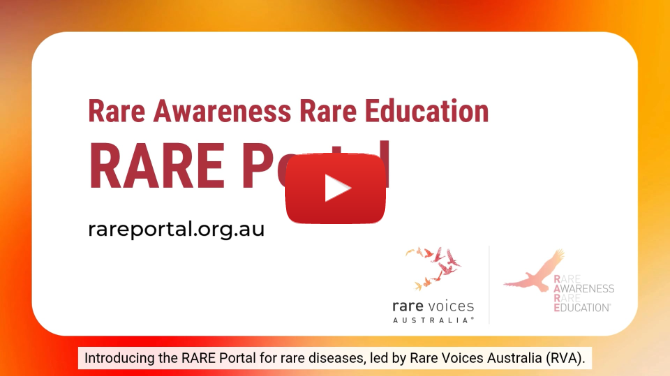
The RARE Portal is a living website in ongoing development, with new information added regularly. It contains verified rare disease information and resources, customised for the Australian context. Funded by the Australian Government, the RARE Portal is a key deliverable of the National Strategic Action Plan for Rare Diseases.
RARE Portal eNewsletter
Read the June 2026 RARE Portal eNewsletter. You can subscribe to receive upcoming RARE Portal newsletters by completing this form.
Multi-Stakeholder Consultation Process
The RARE Portal consultation process is ongoing and will include individual interviews with RVA Partner organisations in 2026.
Additions to the RARE Portal
Contribute to the RARE Portal
All rare disease stakeholders are invited to help maintain the currency and accuracy of information on the RARE Portal. If you would like to contribute content or suggest a revision, please reach out to the RARE Portal team via the Contribute page. |
|
|
|
|
|
|
|
The RARE Help page consists of resources that have been codesigned and evaluated by Australians living with a rare disease. The page consists of resources to address some of the most common questions RVA receives as the national peak body for Australians living with a rare disease.
|
|
|
|
|
|
|
Rare Disease Disability Toolkit |
|
|
|
|
|
The nationally codesigned Rare Disease Disability Toolkit (the Toolkit):
- Includes new peer-to-peer supports.
- Builds capacity in disability rights and self-advocacy.
- Supports people to better access and navigate disability and other systems (such as health, education and employment).
Resources:
How to Use the Toolkit
Each resource includes a main guide and extra tools to help you speak up for yourself and use together with your support team.
Share the Toolkit
Toolkit Development
The Toolkit was codesigned with people living with rare disease disability and facilitated by RVA. It was funded by the Australian Government through the Peer Support and Capacity Building grant for the NDIS as part of the Rare Disease Disability Project, which continues until December 2026. |
|
|
|
|
|
|
Rare Disease Disability Project News
Stakeholder Reference Group
In September, some Stakeholder Reference Group (SRG) members shared their Most Significant Change stories and helped evaluate Rare Disease Disability Toolkit resources developed through the RVA Partner Projects.
Virtual Kitchen Table Peer Support Sessions
In September, RVA facilitated the final Virtual Kitchen Table Peer Support Sessions. Thank you to everyone who took part in these sessions. Together, you created supportive spaces where people living with rare disease disability and caregivers could connect, share experiences, and learn from others who understand the unique challenges of living with rare disease disability.
A special thank you to RVA Partner, Genetic Alliance Australia, for partnering with RVA to deliver the final sessions.
One of the strongest messages from the sessions was the importance of peer support. Connecting with others who share similar experiences can reduce isolation, provide practical advice, and foster a sense of belonging.
You can visit the Finding Helpful Peer and Community Supports webpage on the RARE Portal for practical guidance on finding peer support and community connections. The RARE Help webpage includes the most common questions RVA receives from people living with a rare disease.
Rare Disease Disability Network
The final virtual Rare Disease Disability Network (RDDN) meeting is scheduled for 14 October, ahead of the face-to-face Showcase in November. Members will receive updates on the Rare Disease Disability Toolkit and RVA Partner Project resources, reflect on the important role of the RDDN in strengthening outcomes for people living with rare disease disability, and explore opportunities for ongoing collaboration, shared learning, and future impact.
Learn more about the RDDN at RVA’s website.
If you are an RVA Partner representative, you are welcome to join the Rare Disease Disability Network. Email RVA to join: disabilityprojects@rarevoices.org.au
For the latest updates about the Rare Disease Disability Project, visit RVA's website. For all questions related to this project, please email: disabilityprojects@rarevoices.org.au |
|
|
|
|
RVA Online Education
RVA's online education complements RVA’s Education Program and contains courses exclusively available to RVA Partners and other stakeholders. Once you have successfully completed a course, you will receive a certificate. You'll need to login or register via the website to access the courses. |
|
|
|
Course of the Month
Illuminating Landmarks for Awareness Days
Illuminating landmarks can be a powerful way to mark awareness days such as Rare Disease Day. Illumination activities showcase a united front and shine a light on rare diseases as a collective (Rare Disease Day) or for a specific rare disease. Additionally, illuminations help to raise awareness and may result in people and families living with a rare disease feeling seen and heard.
|
|
|
|
|