|
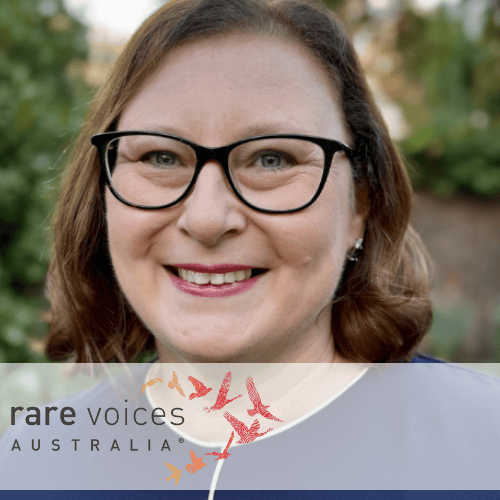
Lucy’s story highlights how “… having a diagnosis was so much better than not knowing.” She shares that her doctors had never seen a case of Relapsing Polychondritis and the impact of living with a rare disease on her family and friends. Lucy also highlights the importance of being surrounded by medical professionals willing to work with her to achieve the best outcomes. Lucy is an RVA Ambassador. |
| Read Lucy's story |
|
|
|
|
Rare Awareness Rare Education (RARE) Portal |
|
|
Australia's Growing National Resource for Rare Diseases |
|
|
|
|
|
|
|
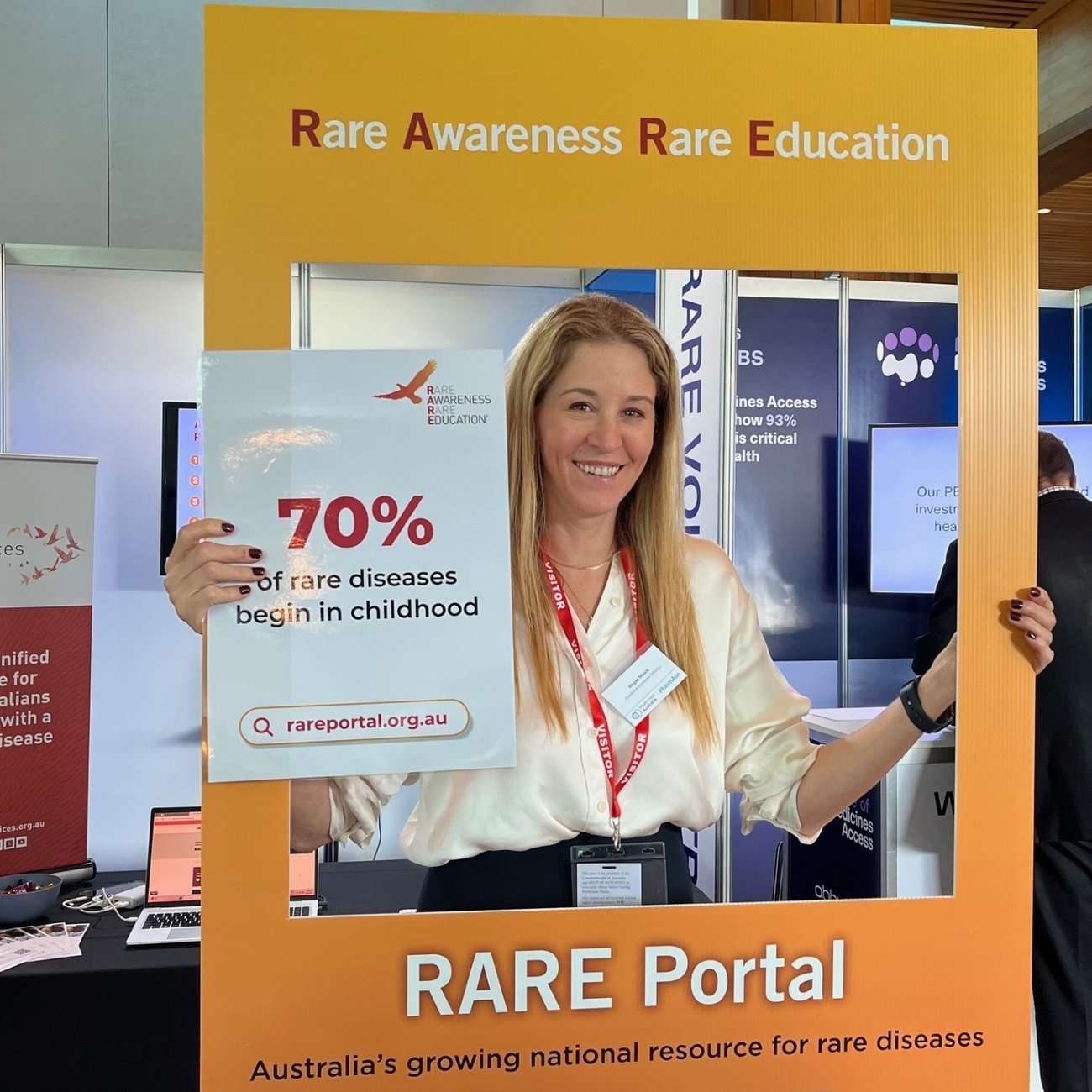
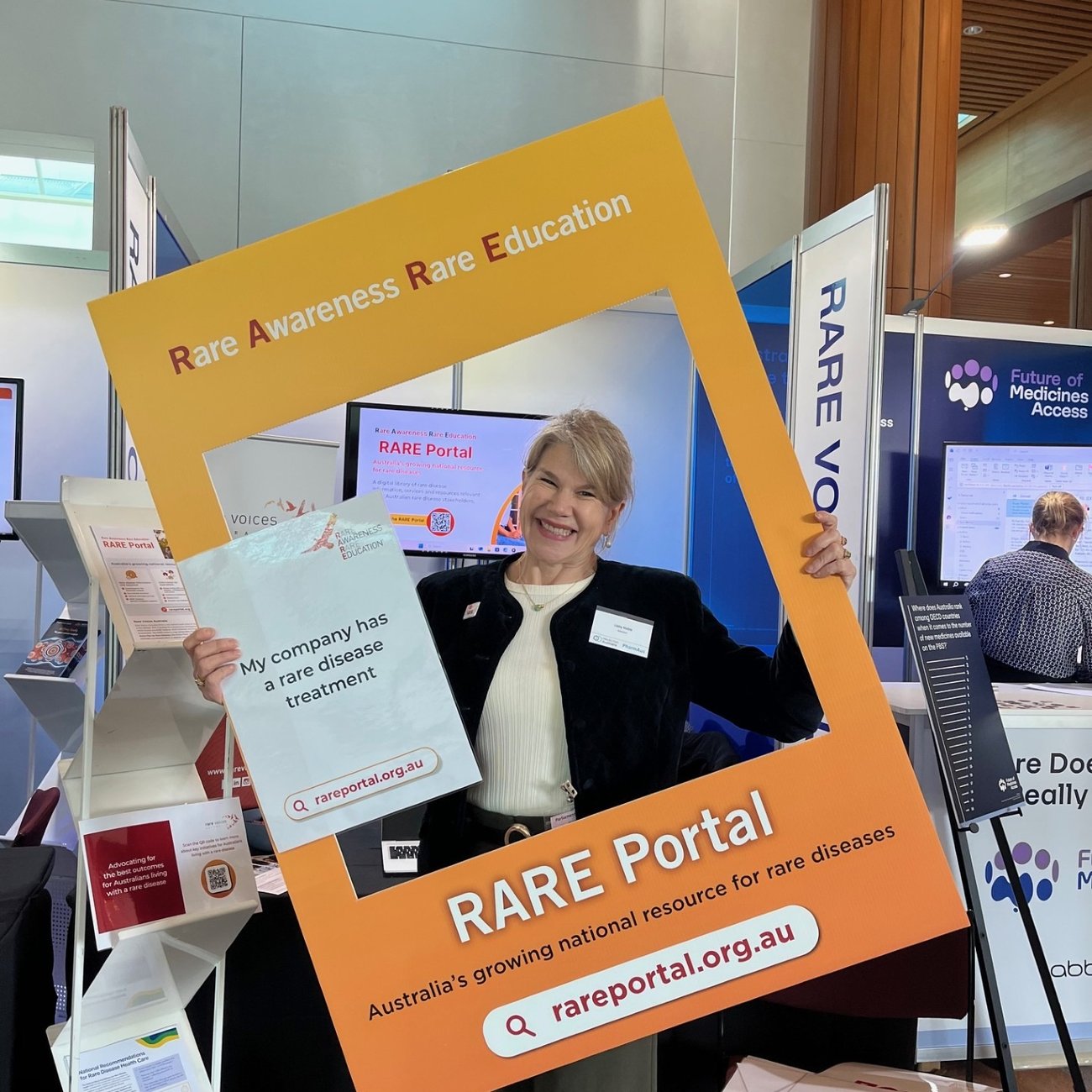
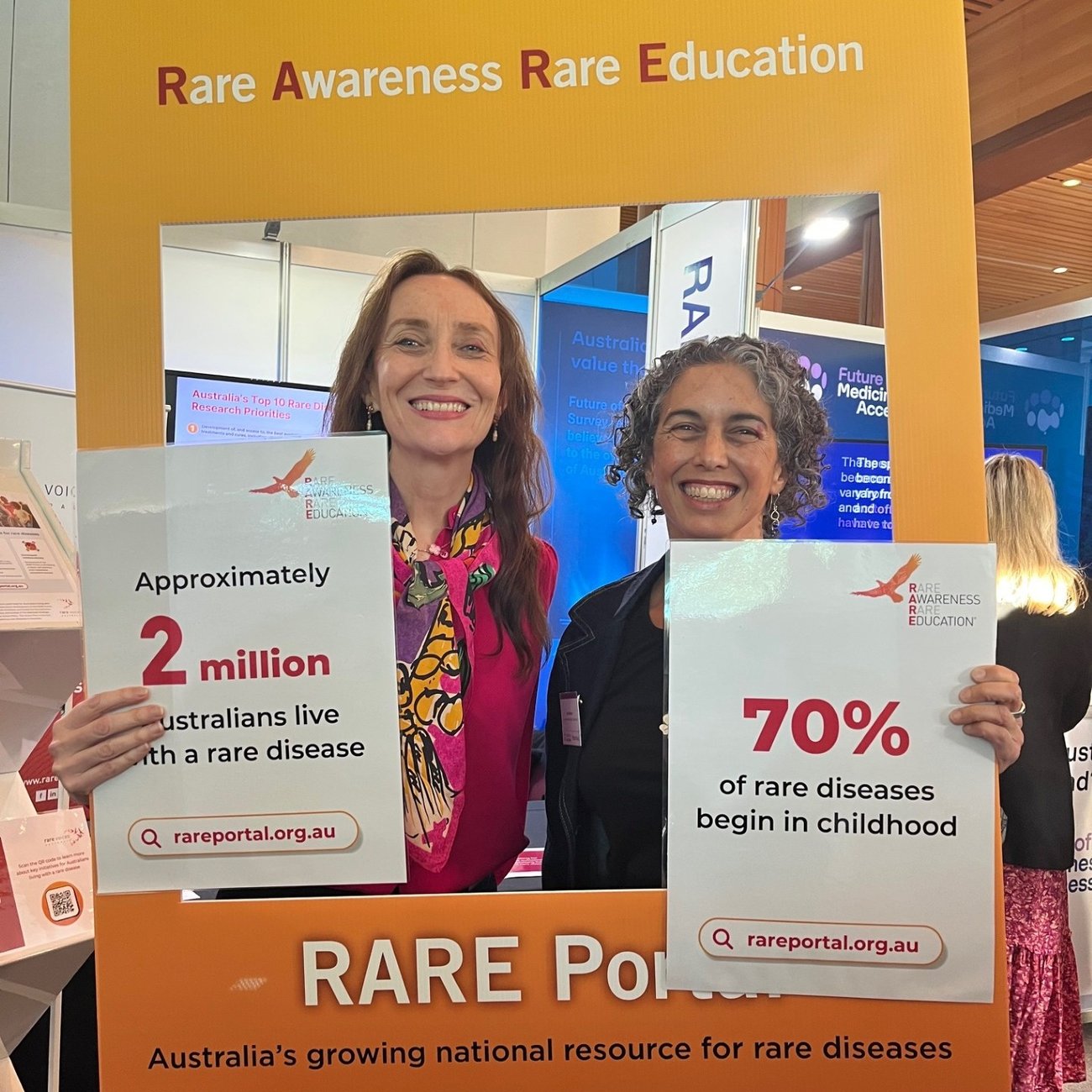
The RARE Portal is a living website in ongoing development, with new information added regularly. It contains verified rare disease information and resources, customised for the Australian context. Funded by the Australian Government, the RARE Portal is a key deliverable of the National Strategic Action Plan for Rare Diseases.
RARE Portal eNewsletter
Read the June 2025 RARE Portal eNewsletter. You can subscribe to receive upcoming RARE Portal newsletters by completing this form.
Multi-Stakeholder Consultation Process
The RARE Portal consultation process is ongoing and will include individual interviews with RVA Partner organisations throughout 2025.
Additions to the RARE Portal
|
|
|
|
|
Newborn Bloodspot Screening Update: MPS I, MPS II and Pompe Disease |
|
|
|
The Medical Services Advisory Committee (MSAC) has published its advice on newborn bloodspot screening (NBS) for mucopolysaccharidosis type I (MPS I), mucopolysaccharidosis type II (MPS II) and Pompe disease. The latest updates have been published on the NBS web page at the Department of Health, Disability and Aged Care’s website. Visit RVA's website for more information about RVA’s advocacy on behalf of Australians living with a rare disease. |
|
|
|
|
Interim Report Released: Health Technology Assessment Review Implementation Advisory Group |
|
|
|
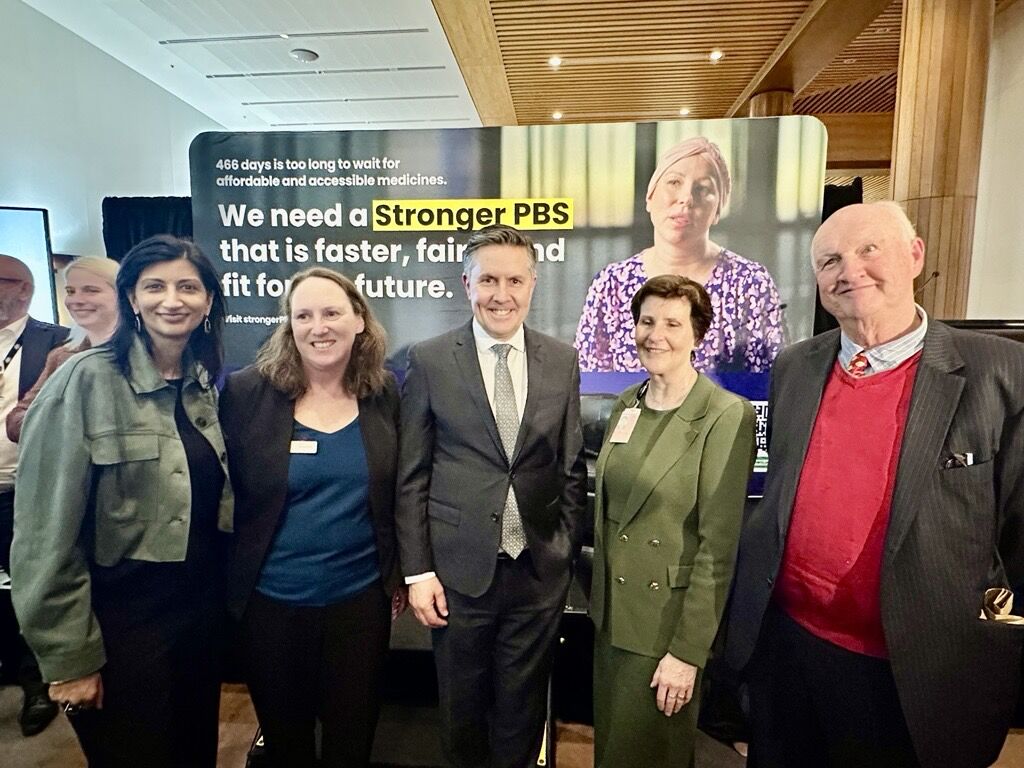
The Hon Mark Butler MP, Minister for Health and Ageing and Minister for Disability and the National Disability Insurance Scheme, announced the release of the Health Technology Assessment (HTA) Review Implementation Advisory Group’s (IAG) Interim Report at PharmAus in September. Read the Minister's media release at the Department of Health, Disability and Ageing’s website.
In response to the findings of the IAG’s Interim Report, the Albanese Government is taking immediate actions to:
-
Commence consultation on trialling new ways to streamline assessment of medicines
-
Begin a rolling review of the Pharmaceutical Benefits Advisory Committee (PBAC) Guidelines prioritising comparator selection and discount rate as the first areas for review
-
Undertake rapid research into areas of high unmet clinical need and high added therapeutic value, including agreed definitions of these terms
-
Develop a HTA stakeholder engagement framework with a particular focus on improving consumer and patient engagement
-
Hold bi-annual stakeholder meetings to consider specific issues related to medicines for First Nations people
These actions are in response to the Interim Report from the IAG and cover letter provided to Minister Butler by the IAG Chair, Professor Andrew Wilson. This letter has been released alongside the Interim Report. The cover letter provides further insights from the IAG Chair and can be downloaded at the Department of Health, Disability and Ageing’s website.
As the national peak body for Australians living with a rare disease, RVA welcomes the Albanese Government’s commitment to taking the immediate actions outlined. RVA has also joined several other consumer organisations in writing a collective letter to Minister Bulter to urge the immediate implementation of recommendations that can and should proceed without delay. The letter was developed in consideration of views previously expressed by consumer groups, including the need to find points we all agree on. The collective support for these activities is critical to maintaining momentum. |
|
|
|
|
Draft Legislation: ‘Ban on genetic tests in life insurance’ |
|
|
|
RVA supported the Australian Government’s announcement last year that it will legislate to ban the use of genetic test results in life insurance underwriting. This year’s Federal Election caused a delay in the legislation being drafted. In March, RVA joined the collective response to the genetic discrimination life insurance treasury consultation, led by Dr Jane Tiller who is also a member of RVA’s Scientific and Medical Advisory Committee. The government has now released its draft bill and is accepting feedback until 12 October 2025. To lodge a Submission and for more background information on this important matter, visit the Treasury’s consultation hub. RVA will review the draft legislation and lodge a Submission on behalf of Australians living with a rare disease. |
|
|
|
|
New Rare Disease Project ECHO® Sessions for Health Professionals |
|
|
|
The Rare Disease Project ECHO® Clinical Community of Learning Practice is a continuing professional development activity delivered via interactive webinars. The initiative is a collaboration between Rare Diseases NSW and RVA, bringing together clinical, research and lived experience expertise. The webinars start with a presentation on a specific topic from an expert. This is followed by reflective discussion, which all participants are encouraged to join. New monthly Rare Disease Project ECHO® sessions are taking place from September to February 2026. The next session, Coordinating Care When Systems Fail: Your Roadmap for Rare Disease Management, is on 7 October at 6pm AEDT. See the full schedule of upcoming sessions on RVA's website. Register to attend via this web page. |
|
|
|
|
|
Note: Rare Disease Project ECHO® is an RACGP-approved CPD activity. However, the sessions are valuable for all health professionals. |
|
|
|
|
RVA Submission: Draft Statement on Consumer and Community Involvement in Health and Medical Research |
|
|
|
RVA recently provided input into the consultation on the draft Statement on Consumer and Community Involvement in Health and Medical Research (draft Statement). The National Health and Medical Research Council (NHMRC) and the Consumers Health Forum of Australia (CHF) are reviewing the Statement. Learn more about the review via the NHMRC’s website. Read more about RVA's Submission and recommendations at RVA's website. |
|
|
|
|
Inaugural Australian Rare Disease Research Network Meeting |
|
|
|
The Australian Rare Disease Research Network (ARDRN) held its first virtual meeting on 18 September 2025, with 38 rare disease researchers from a range of jurisdictions, disciplines and career stages in attendance. Thank you to the researchers who joined the meeting, including members of our Scientific and Medical Advisory Committee (SMAC)—Dr Emma (Elizabeth) Palmer, Clin/Prof Gareth Baynam and Dr Lisa Ewans and Prof Adam Jaffé, SMAC Chair—for co-chairing and presenting. Thank you also to RVA’s Research and Evaluation Manager, Dr Falak Helwani, for leading this important work alongside SMAC. Read more about the first meeting at RVA’s website. |
|
|
|
|
National Strategic Action Plan for Rare Diseases
The Australian Government's National Strategic Action Plan for Rare Diseases (the Action Plan) was launched in February 2020 by the Minister for Health with bipartisan support. You can access the Action Plan via the Department of Health, Disability and Ageing's website and a suite of summary materials at RVA's website. |
|
|
|
|
National Disability Research Partnership Evidence to Action Event |
|
|
|
The National Disability Research Partnership (NDRP) is holding the fourth event in its Evidence to Action program. The free event will launch the new DANA report, Co-design Partnerships: A Mutual Exchange, and bring together researchers, advocates, and the disability community to explore how we can build strong and collaborative research partnerships that are truly inclusive. Practical tools, stories, and interactive activities you can use straight away will be shared.
Event Details
Date: Monday, 13 October 2025
Time: 12-3pm AEDT
Venue: Online Zoom event with Auslan and captions
Register via the Humanitix website for free. |
|
|
|
|
Healthdirect Australia: Register Your Interest in the New Consumer Engagement Group |
|
|
|
Healthdirect Australia is inviting people from across the community to join their Consumer Engagement Group. Their goal is to help every Australian stay healthy with access to trustworthy health advice, information and connection to care. The Consumer Engagement Group is an opportunity for participants to be part of a network of community members who are passionate about making a difference. Learn more about the Consumer Engagement Group at HealthDirect's website. |
|
|
|
|
New Rare Barometer Survey: What Helps You Live with a Rare or Undiagnosed Condition? |
|
|
|
Rare Barometer is a not-for-profit survey initiative run independently by EURORDIS-Rare Diseases Europe. Do you, or a member of your family, live with a rare or undiagnosed condition? Seeking a diagnosis and managing a rare or undiagnosed condition can have a big impact on your life. The Rare Barometer team would like to better understand how you cope with the daily stresses and how you manage to learn, work and contribute in your community while living with a rare or undiagnosed condition. The survey should take around 20-minutes to complete. If at least 30 responses from Australia are received, the Rare Barometer team will share the data with RVA to leverage locally as the national peak body for Australians living with a rare disease. Visit this web page for more information and to complete the survey. |
|
|
|
|
New Animation and E-Learning for Educators: Rare Diseases in the Classroom |
|
|
|
|
|
The Rare Care Centre in Perth, Western Australia has launched a new rare disease animation and supplementary e-learning resource aimed at helping school teachers better support children living with a rare disease. Designed to foster more inclusive, informed and empathetic school environments, the animation introduces educators to the unique challenges faced by students with rare diseases. Developed in consultation with teachers and students, both with and without lived experience of rare diseases, the animation is designed to encourage discussion, compassion and greater understanding in classrooms everywhere.
The Rare Care Centre invites schools, educators, health professionals and advocacy organisations to share and utilise this free resource to help build more inclusive learning environments for all students. Watch the animation and access the rare disease resources for educators at the Global Nursing Network for Rare Diseases’ website. |
|
|
|
|
RVA Online Education
RVA's online education complements RVA’s Education Program and contains courses exclusively available to RVA Partners and courses available to everyone. Once you have successfully completed a course, you will receive a certificate. You'll need to login or register via the website to access the courses. |
|
|
|
Course of the Month Developing Rare Disease Resources
for Priority Populations |
|
This course is for RVA Partner groups/organisations that work with people living with rare diseases from priority populations. The course covers the development of the collections of rare disease resources for priority populations on the RARE Portal, including the following:
|
|
|
|
|
Research Study: Internet Searching Behaviours of Parents During the Diagnostic Process of Their Child with a Rare Genetic Syndrome |
|
|
|
Researchers from the University of Newcastle are interested in hearing about people’s experiences with exploring the diagnostic process and internet searching behaviours of caregivers of children with a rare genetic syndrome. This information may help families in the future and could increase the knowledge and awareness of rare syndromes for medical professionals. If you are a caregiver of individuals with Angelman syndrome, Rett syndrome or 22q11.2 deletion syndrome, the research team invites you to participate in a survey, which should take 10-15 minutes. There is also an optional online interview. Learn more at this webpage. |
|
|
|
|
Research Study: Understanding the Role and Engagement of People with Disabilities in Genomics Research |
|
|
|
Researchers from The University of Queensland are interested in understanding how people with disabilities in Australia and their families perceive their role and meaningful engagement in genomics research, and what are the barriers and facilitators to such engagement. If you are an adult who identifies as having a disability associated with a genetic condition, or a family member with a role in the care and support of such individuals, the research team invites you to participate in a one-hour online interview. See this flyer for more information. |
|
|
|
|
Research Study: Experiences of the Diagnostic Journey for People and/or Guardians of Those Living with a Genetic Skin Disease |
|
|
|
Researchers are interested in interviewing anyone who lives in Australia and either has a genetic skin disease or looks after someone with a genetic skin disease. They would like to hear people’s stories and anticipate interviews will take between 30-60 minutes. The study aims to understand the diagnostic journey for people with genetic skin diseases. The research is being done by clinical-genetics health professionals Dr Russell Gear, Associate Professor Aideen McInerney-Leo (University of Queensland), and Professor Tiong Tan (University of Melbourne). You can find out more via this web page, which explains what’s involved and lists the contact details of the researchers in case those interested have questions. |
|
|
|
|
Research Study: Does High Cholesterol or Early Heart Disease Run in Your Family? |
|
|
|
Researchers are interested in engaging with people with a lived experience or family history of high cholesterol or early heart disease and/or people with Familial Hypercholesterolemia (FH). This Community Conversation will help researchers understand the experiences of individuals with a family history of high cholesterol or early heart disease. The session will explore your thoughts on current treatments as well as discussing what you think are important considerations for new medicines that are in development. The event is taking place at Murdoch University in Western Australia. See this flyer for more details and express your interest in attending at this web page. |
|
|
|
|
Rare Disease Disability Project News
Stakeholder Reference Group
The Stakeholder Reference Group (SRG) met this month and approved the design principles for the nationally codesigned Rare Disease Disability Toolkit (the Toolkit) and the resource topics for Stage 1 of the Toolkit. Stage 1 resources will be available on RVA’s website in December 2025.
Rare Disease Disability RVA Partner Project Grants
Round 2 of the Rare Disease Disability Project RVA Partner Grants opened on 18 September and close on 2 October 2025. The SRG will select three grant recipients from a shortlist of projects that meet the Grant Guidelines and Selection Criteria. Projects can focus on tailored resources for the Toolkit or be standalone resources. Organisations must be RVA Partners to apply. Learn more about the RVA Partner Project Grants at this web page.
Projects funded through grant round 1, led by RVA Partners Mito Foundation and Tuberous Sclerosis Australia, have commenced with involvement from the SRG and some Rare Disease Disability Network (RDDN) members. Learn more about their projects at this web page.
Rare Disease Disability Network
The next Rare Disease Disability Network (RDDN) meeting will take place on 29 October. RDDN members will share their feedback on Stage 1 of the Toolkit and continue engaging in discussions about disability reform. The RDDN is open to leaders from RVA Partner groups/organisations and other invited sector stakeholders. Learn more about the RDDN at this web page.
Rare Disease Disability Network Showcase
Planning is well underway for the end-of-year in-person RDDN Showcase on 2 December 2025 in Brisbane ahead of the International Day of People with Disability on 3 December. Invitations have been distributed to those invited. Attendance is by invitation only to ensure appropriate representation across the sector. The RDDN Showcase brings together leaders from rare disease groups/organisations and other invited sector stakeholders for the first time in person. Those invited must RSVP by Friday, 31 October to attend.
Virtual Kitchen Table Peer Support Sessions
Two virtual kitchen table peer support sessions were held on 25 September. The conversations focused on self-care and rare disease disability. The key question was: Where do you go for help? These sessions help bring the community’s voice to the Rare Disease Disability Project. The next sessions are being held on 20 November 2025. Register via the links at RVA’s website.
Who Are These Sessions For?
These sessions are for members of the general public living with rare disease disability or caring for people living with rare disease disability.
Note: Please do not register for these sessions if you are an RVA Partner representative. You are welcome to join the RDDN. Email RVA to join: disabilityprojects@rarevoices.org.au
For the latest updates about the Rare Disease Disability Project, visit RVA's website. |
|
|
|
|
RARE Helpline |
 |
|
|
|
The RARE Helpline provides service navigation support for rare and complex diseases. It aims to provide timely access to information and answer key questions people living with a rare and complex disease often face.
|
|
|
Contact Information and Hours
Phone: 0499 549 629
Hours: Monday to Friday 9am – 5pm (AEST)
Note: In the event of an emergency, call an ambulance on 000 or these support lines:
|
| Visit the RARE Helpline |
|
|
|
|